
Top Benefits of Laser Rust Removal Over Traditional Methods


Introduction to Laser Rust Removal
Rust removal is a critical process in various industries, from automotive to construction. Traditional methods like sandblasting and chemical treatments have been the standard for many years. However, laser rust removal is rapidly gaining attention for its efficiency and environmental benefits. In this post, we’ll explore the top benefits of using lasers to tackle rust compared to traditional techniques.
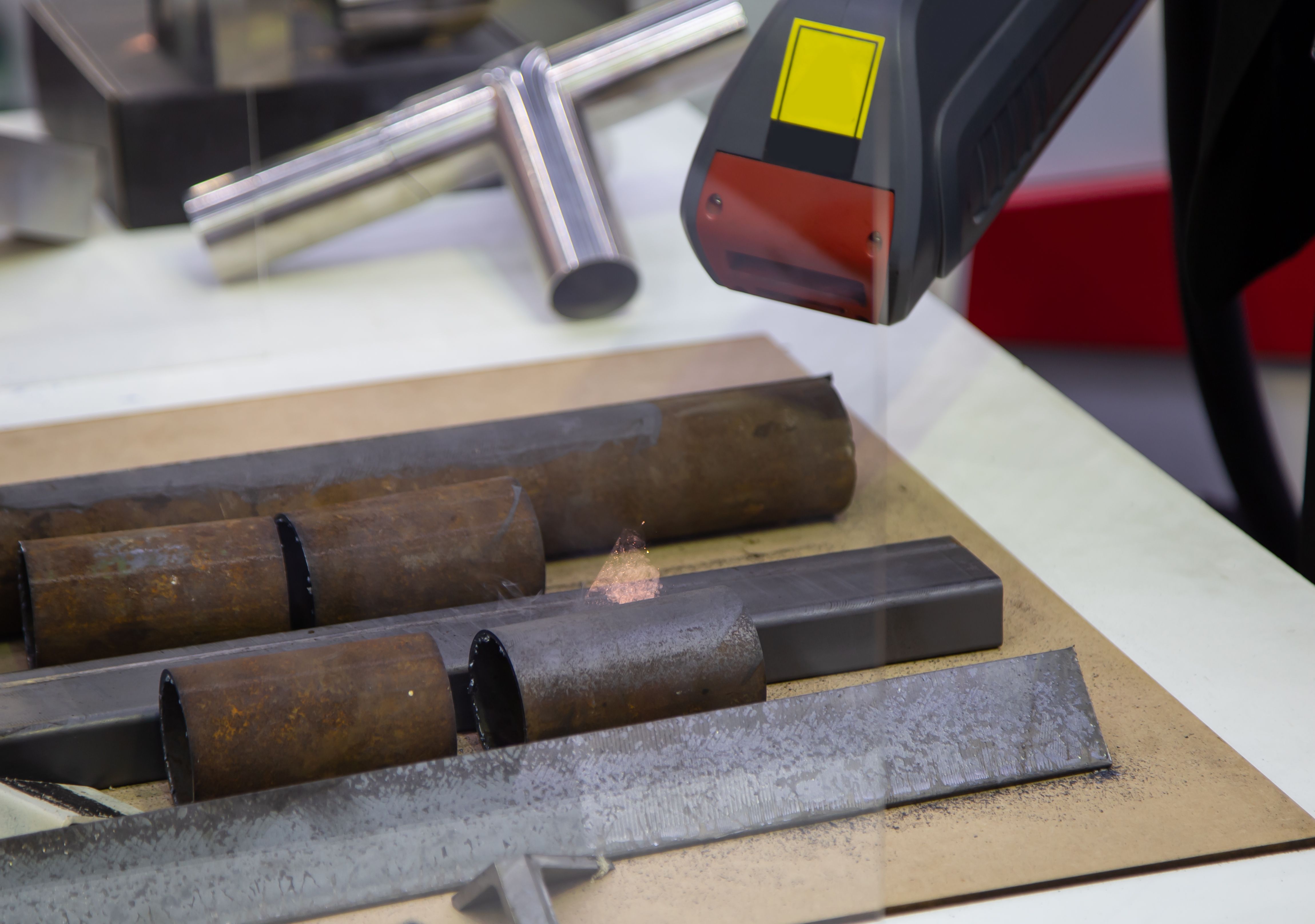
Efficiency and Precision
One of the standout advantages of laser rust removal is its precision. Unlike abrasive methods, lasers can target specific areas without damaging the underlying material. This precision ensures that the integrity of the metal is maintained while effectively removing rust. In addition, laser treatments are typically faster, saving both time and labor costs.
Non-Abrasive Process
Traditional methods often involve abrasive materials that can wear down surfaces over time. Laser rust removal, on the other hand, is a non-contact process, meaning there's no physical wear on the material. This makes it ideal for delicate or intricate components where preserving the original surface is crucial.

Environmentally Friendly
Environmental impact is a significant concern in today’s world. Laser rust removal is a more sustainable option as it doesn’t produce hazardous waste or require chemical solvents. This method minimizes pollution and reduces the need for disposal of toxic materials, making it a preferred choice for environmentally conscious companies.
Safety Benefits
Safety is paramount in any industrial process. Traditional rust removal techniques can pose risks to workers through exposure to harmful chemicals or flying debris. Laser systems are generally safer, requiring minimal personal protective equipment and reducing the risk of injury.

Cost-Effectiveness
While the initial investment in laser equipment may be higher, the long-term savings are significant. Reduced labor costs, minimal maintenance, and the elimination of consumables like sand or chemicals contribute to the overall cost-effectiveness of laser rust removal. Businesses can expect a strong return on investment over time.
Versatility
Laser systems are incredibly versatile, capable of removing not just rust but also other contaminants like paint and oil. This versatility makes them suitable for various applications across different industries, from aerospace to heritage restoration projects.
Conclusion
The benefits of laser rust removal are clear and compelling. From its precision and environmental friendliness to cost savings and safety, it's an innovative solution that outperforms traditional methods in many respects. As technology continues to evolve, laser rust removal is set to become a standard in industries seeking efficient and sustainable practices.