
Laser Rust Removal vs. Traditional Methods: What’s Best for You?


When it comes to removing rust, choosing the right method can make all the difference in terms of efficiency, cost, and environmental impact. Two popular approaches are laser rust removal and traditional methods. Understanding the pros and cons of each can help you determine which is best for your needs.
Understanding Laser Rust Removal
Laser rust removal is a modern technique that uses high-intensity laser beams to vaporize rust from surfaces. This method is highly precise and can be adjusted to target specific areas without damaging the underlying material. It's a non-contact process, which minimizes the risk of surface abrasion.
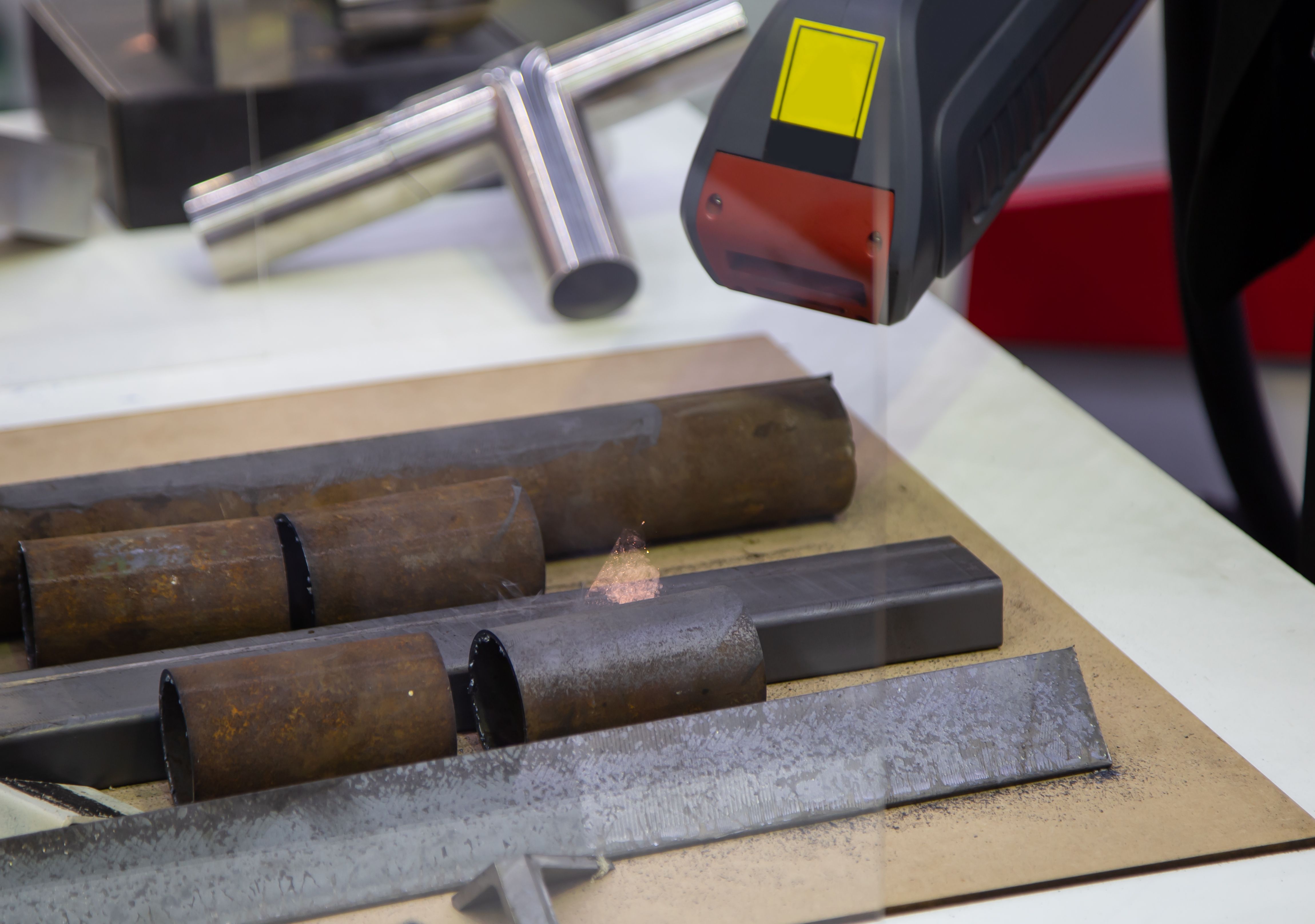
One of the main advantages of laser rust removal is its environmental friendliness. Since it doesn't require chemicals or abrasive materials, it results in minimal waste and is safer for operators. It also offers a higher degree of control, ensuring thorough rust removal even in hard-to-reach areas.
Traditional Rust Removal Methods
Traditional rust removal techniques include sanding, grinding, and using chemical rust removers. These methods are often more accessible and affordable, making them popular for small-scale or DIY projects. However, they can be labor-intensive and may not be as precise as laser options.
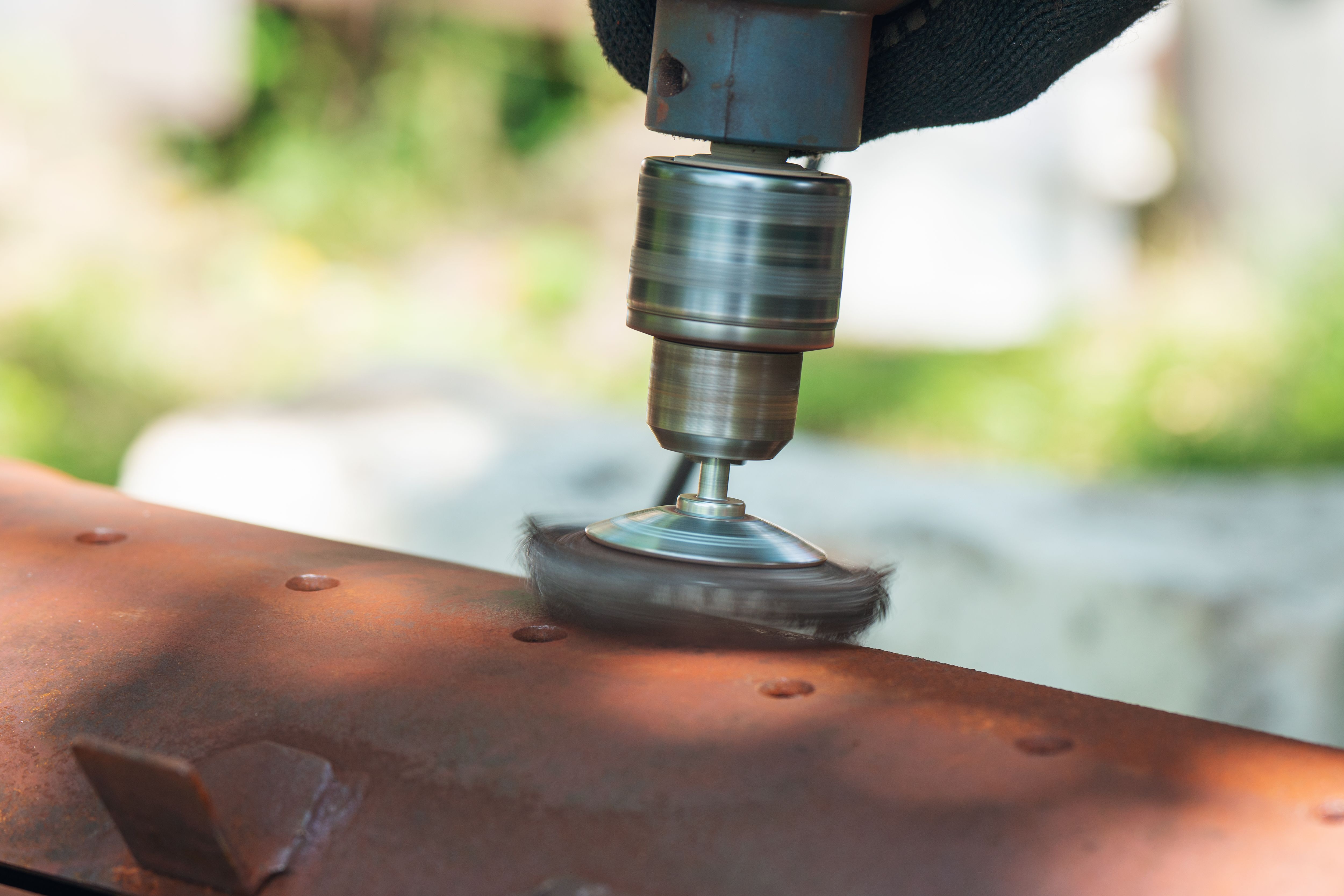
Chemical rust removers can be effective but often involve hazardous substances that require careful handling and disposal. Mechanical methods like sanding or grinding can be effective but may damage the surface of the material if not done carefully.
Comparing Costs
Cost is a significant factor when choosing between laser rust removal and traditional methods. Laser systems can be expensive initially, but they offer long-term savings due to their efficiency and low maintenance requirements. Traditional methods might have lower upfront costs but can incur additional expenses over time due to material waste and the need for repeated applications.
Application and Suitability
Laser rust removal is ideal for precision applications and sensitive materials. It's often used in industries like automotive and aerospace, where maintaining the integrity of the material is crucial. Traditional methods are suitable for less sensitive projects or where budget constraints are a priority.
In summary, the choice between laser rust removal and traditional methods depends on your specific needs, including budget, precision requirements, and environmental considerations. Each method has its own set of advantages and limitations, making it essential to assess your project criteria carefully.
Ultimately, both laser and traditional rust removal methods offer viable solutions. By understanding their distinct benefits, you can make an informed decision that aligns with your goals and resource availability.