
How Laser Rust Removal Works: A Step-by-Step Tutorial


Understanding Laser Rust Removal
Laser rust removal is a cutting-edge technique used to clean and restore metal surfaces without damaging the underlying material. Unlike traditional methods, it uses laser beams to effectively remove oxidation and rust. The process is not only efficient but also environmentally friendly, as it avoids the use of harsh chemicals.
The Science Behind Laser Cleaning
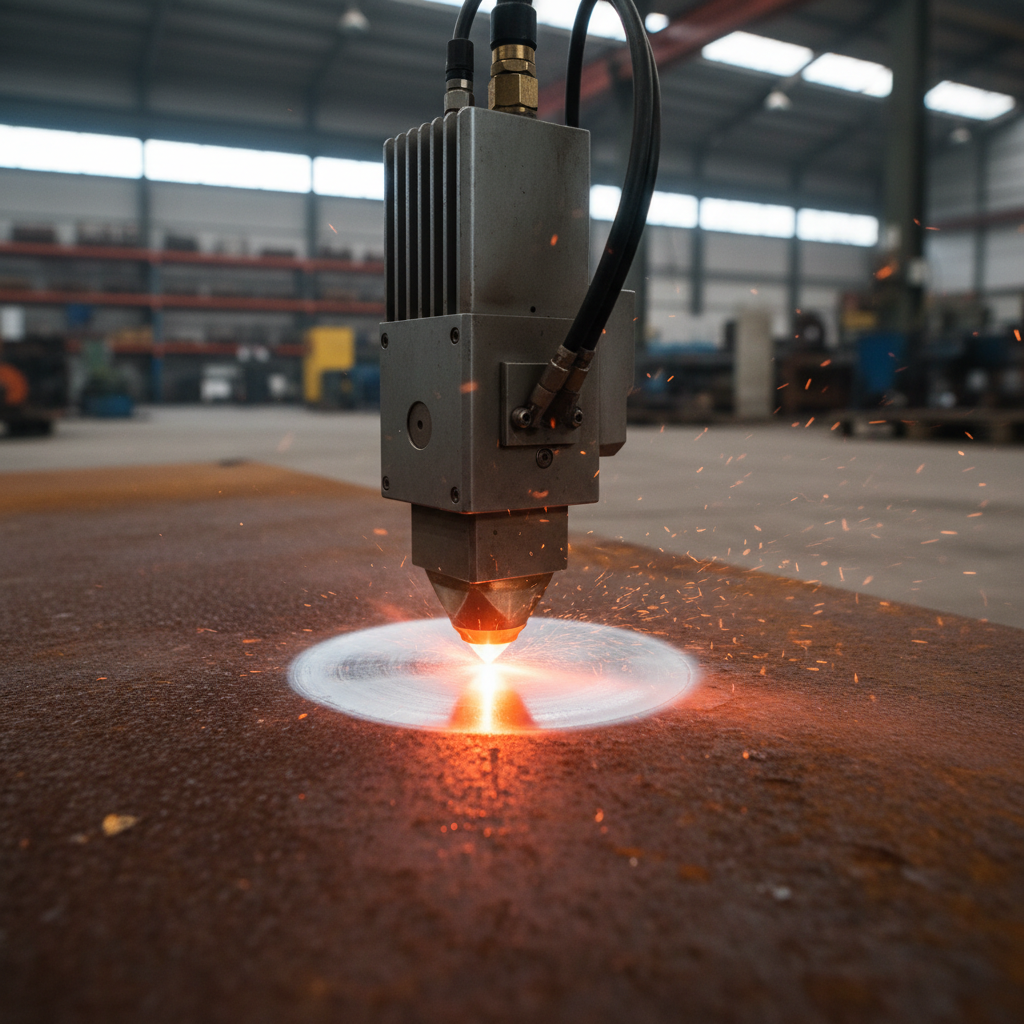
Laser rust removal works by directing a focused laser beam onto the rusty surface. The laser energy is absorbed by the rust layer, causing it to evaporate or sublimate. This process leaves the underlying metal intact and clean. The precision of laser technology allows for targeted cleaning, making it ideal for delicate surfaces.
The type of laser used in rust removal is typically a pulsed fiber laser. These lasers are known for their high peak power and short pulse duration, which are essential for removing rust without heating or damaging the surrounding material.
Step-by-Step Laser Rust Removal Process
Understanding the step-by-step process of laser rust removal can help you appreciate its effectiveness and safety.
Step 1: Surface Preparation
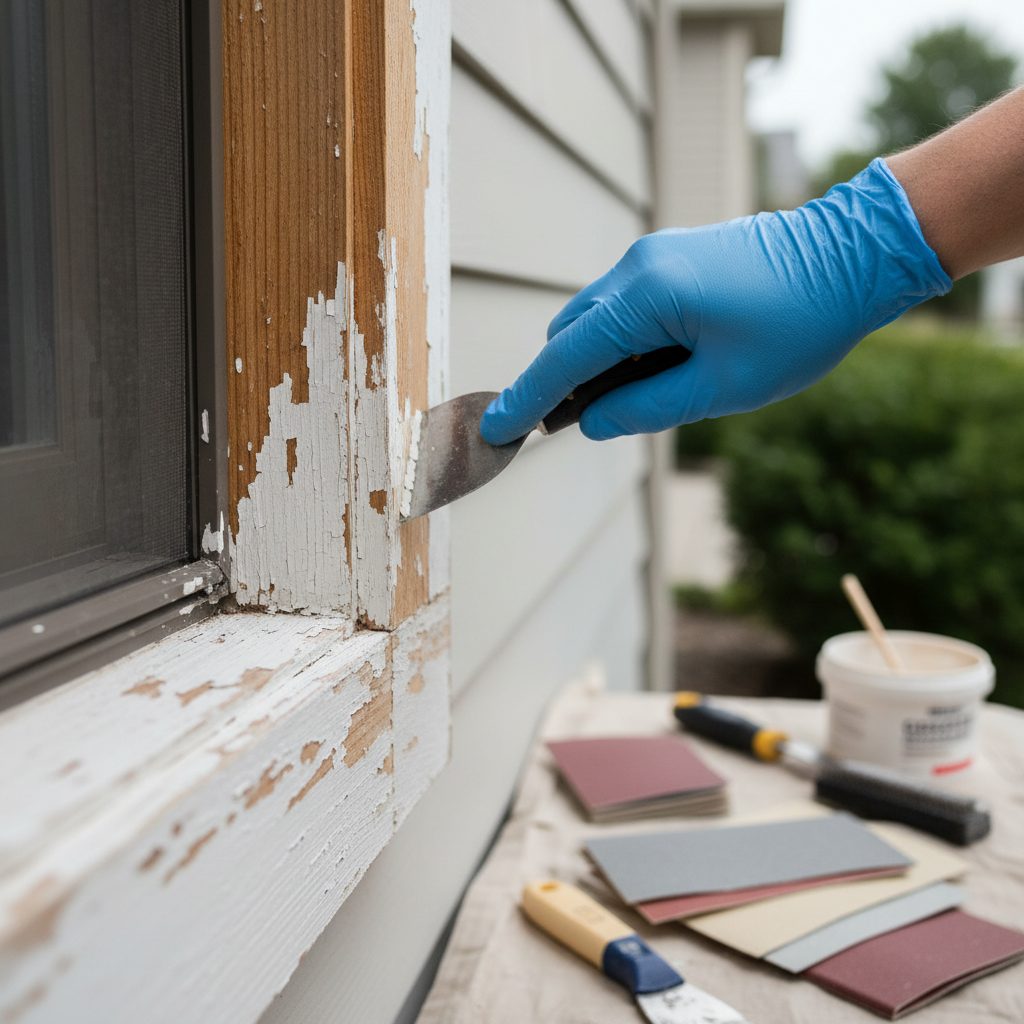
Before starting, it's essential to prepare the surface. This involves cleaning the area to remove any loose debris or dirt that might interfere with the laser's effectiveness. Ensuring a clean surface allows the laser to work more efficiently.
Step 2: Laser Calibration
Next, the laser equipment is calibrated to match the specific requirements of the task. This includes adjusting the laser's power, frequency, and beam size to suit the thickness and type of rust present. Proper calibration is crucial for optimal results.
Step 3: Laser Application
With the laser calibrated, the technician carefully applies the laser beam to the rusted area. The laser is moved over the surface methodically, ensuring even coverage. The rust absorbs the laser energy and is removed layer by layer.
Advantages of Laser Rust Removal
Laser rust removal offers several benefits over traditional methods. One significant advantage is its precision. The laser can target specific areas without affecting the surrounding material, making it ideal for intricate parts and surfaces.
Another advantage is the eco-friendly nature of the process. Since it doesn't require chemicals or abrasive materials, it minimizes environmental impact and reduces waste. Additionally, it's a non-contact method, which means there's less wear and tear on the equipment.
Applications of Laser Rust Removal
This technology is used across various industries, from automotive restoration to aerospace maintenance. It's particularly beneficial for preserving historical artifacts, where maintaining the original material is of utmost importance.
The versatility and effectiveness of laser rust removal make it a popular choice for many applications, providing efficient and sustainable solutions for rust and oxidation issues.