
How Laser Rust Removal Works: A Step-by-Step Process


Introduction to Laser Rust Removal
Laser rust removal is a revolutionary technology that offers a clean, efficient, and non-invasive way to eliminate rust from metal surfaces. Unlike traditional methods, which can be abrasive and damaging, laser cleaning provides a precision solution that preserves the integrity of the material.
This process is gaining popularity across various industries due to its efficiency and environmental benefits. In this post, we'll explore how laser rust removal works, step by step, and why it's becoming the preferred choice for rust removal.
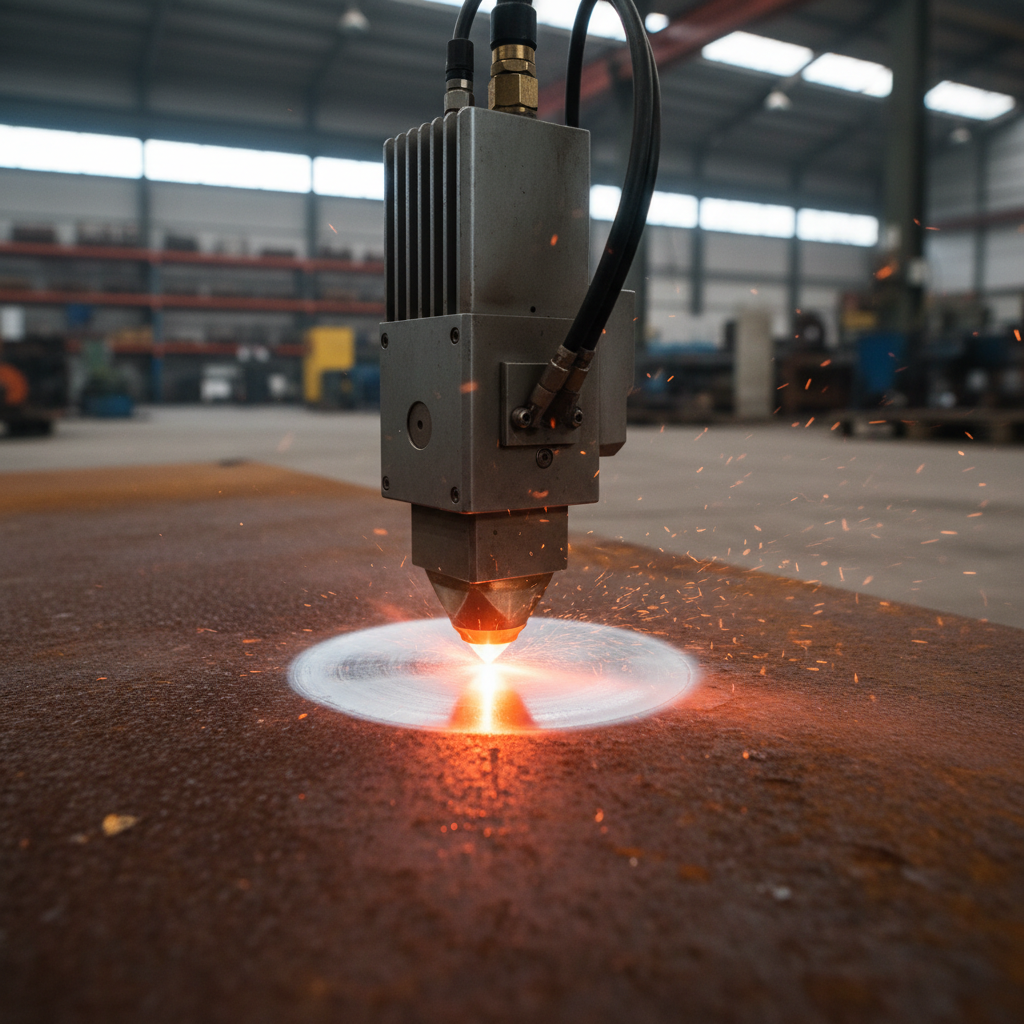
The Science Behind Laser Cleaning
Laser rust removal relies on the principle of laser ablation, where a highly focused laser beam is directed at the rusted surface. The energy from the laser is absorbed by the rust, causing it to vaporize or disintegrate. This method selectively targets rust while leaving the underlying metal intact.
The wavelengths used in laser rust removal are specifically chosen to interact with the rust molecules, ensuring that the process is both effective and efficient. The result is a clean surface without the need for harsh chemicals or manual scrubbing.
Step-by-Step Process of Laser Rust Removal
1. Surface Assessment
Before beginning the laser cleaning process, a thorough assessment of the surface is conducted. This helps in understanding the extent of rust and selecting the appropriate laser settings for optimal results.
2. Laser Setup
Once the assessment is complete, the laser equipment is set up. This involves calibrating the laser's power, pulse duration, and wavelength to match the specific requirements of the job. Proper setup is crucial to ensure safety and effectiveness.
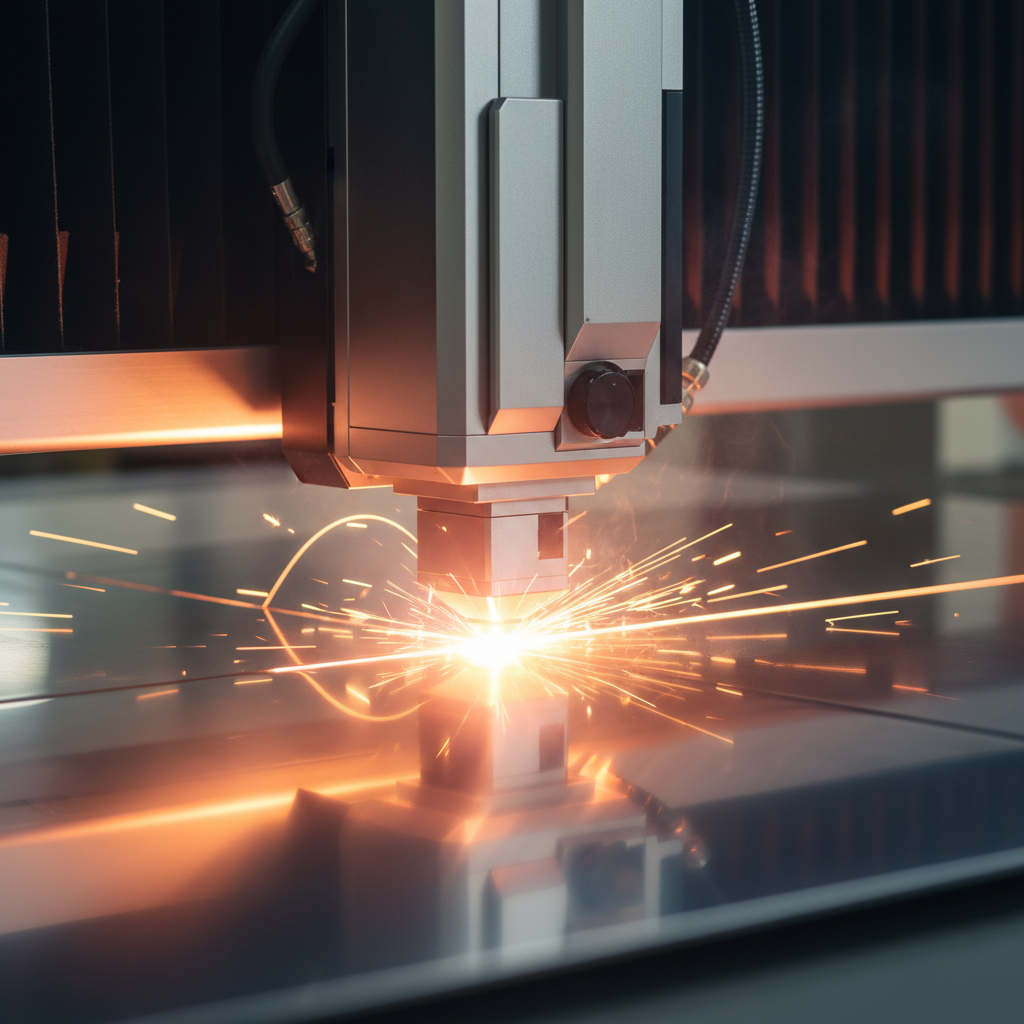
3. Laser Application
With everything in place, the laser is then directed at the rusted areas. The operator carefully moves the laser across the surface, allowing the beam to precisely target the rust. The rust absorbs the laser energy and is removed without damaging the metal.
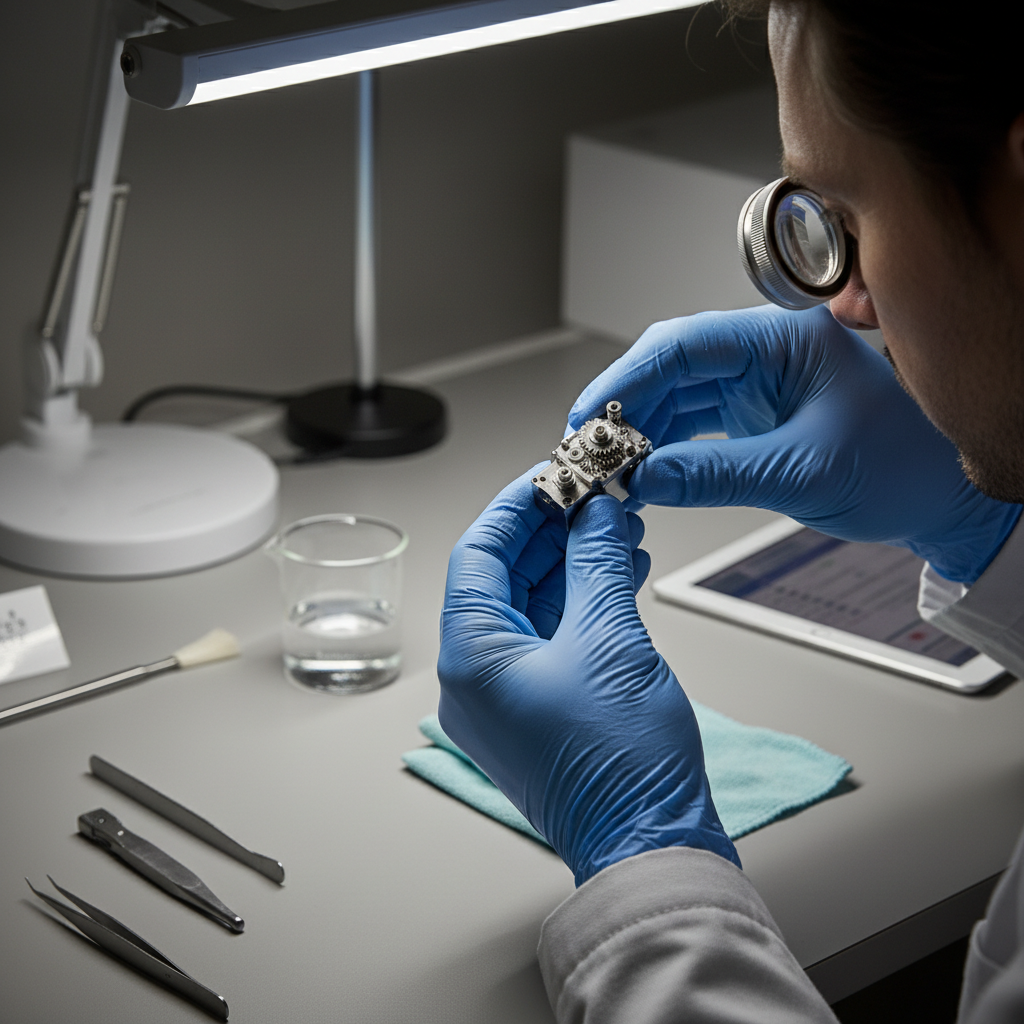
4. Inspection and Quality Check
After the laser treatment, the surface is inspected to ensure that all rust has been removed. This step may involve using magnification tools or specialized equipment to check for remaining rust particles.
Advantages of Laser Rust Removal
Laser rust removal offers numerous benefits over traditional methods. Here are some key advantages:
- Non-Abrasive: It preserves the integrity of the base material.
- Eco-Friendly: No chemicals or abrasive materials are used.
- Precision: Targets only rust, leaving other surfaces untouched.
- Cost-Effective: Reduces labor and material costs.
Applications and Industries
This technology is versatile and can be used in various industries, including automotive, aerospace, manufacturing, and more. It is ideal for applications where precision and cleanliness are paramount.
The ability to remove rust without damaging the underlying material makes it particularly valuable in industries where maintaining the integrity of components is critical.
Conclusion: A Modern Solution
Laser rust removal represents a significant advancement in surface cleaning technology. Its precision, efficiency, and environmental benefits make it an attractive option for businesses and industries looking to maintain their equipment and structures effectively.
As technology continues to evolve, laser rust removal is likely to become even more widespread, offering a modern solution to an age-old problem.