
Comparing Laser Rust Removal to Traditional Methods: Which is Right for You?


Understanding Rust Removal
Rust is not just an eyesore; it can compromise the integrity of metal structures and objects. Traditionally, rust removal has involved abrasive techniques like sanding, scraping, or chemical treatments. However, with advancements in technology, laser rust removal has emerged as a modern alternative. But how do these methods compare, and which one is right for you?

Traditional Rust Removal Methods
Traditional rust removal often involves physical abrasion, using tools like sanders or wire brushes. These methods are effective for surface-level rust but can be labor-intensive and time-consuming. Chemical rust removers, on the other hand, use acids to dissolve rust. While effective, they can pose safety hazards and environmental concerns.
Here are some pros and cons of traditional methods:
- Pros: Cost-effective, widely available, and straightforward.
- Cons: Labor-intensive, potential for surface damage, and environmental concerns.
Laser Rust Removal: A Modern Solution
Laser rust removal is a non-contact method that uses laser beams to vaporize rust. This technique offers precision and is suitable for delicate objects that might be damaged by abrasive methods. Lasers are adjustable, allowing operators to control intensity based on the rust level and material type.
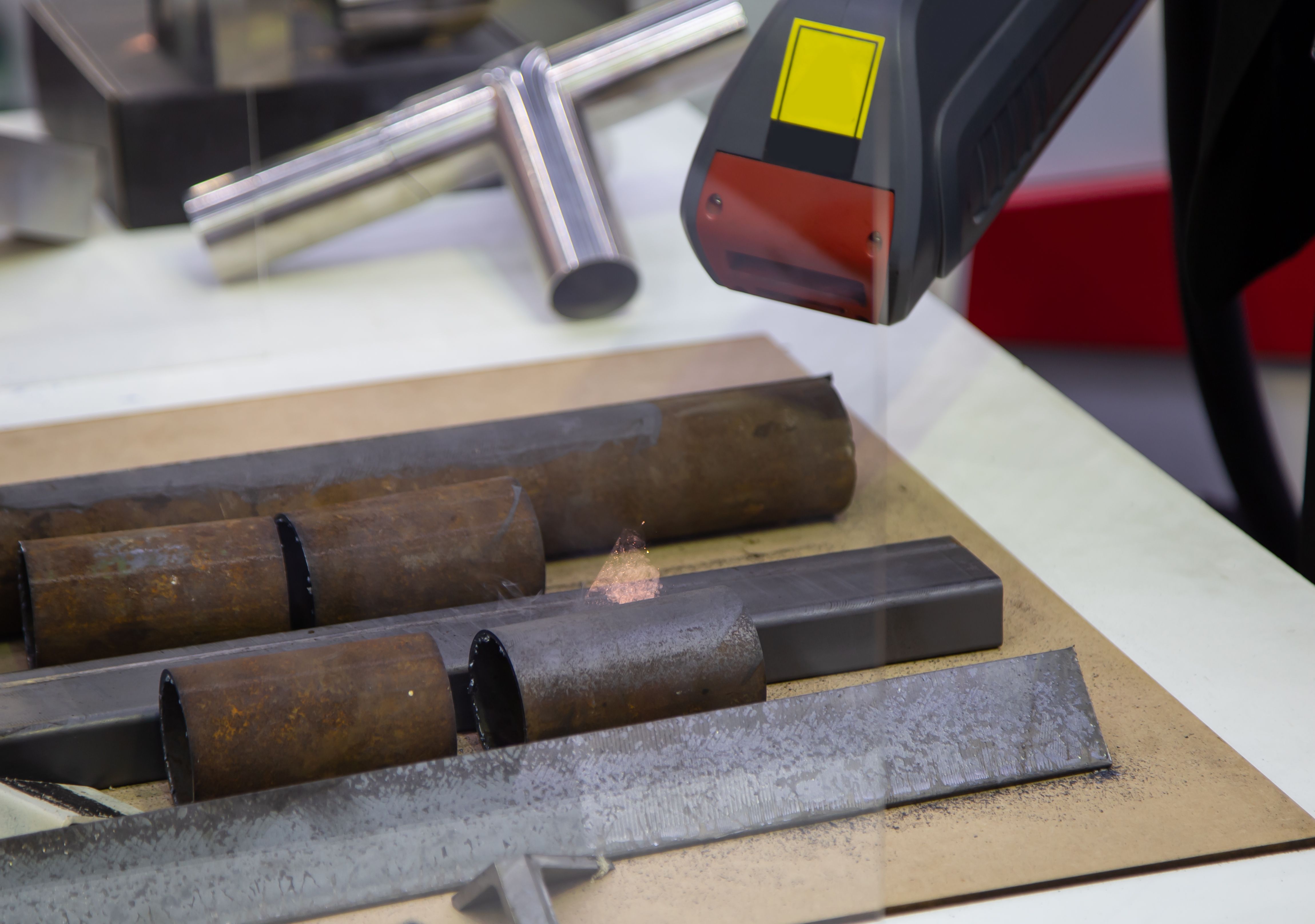
Benefits of laser rust removal include:
- Accuracy: Targets only rust, preserving the underlying metal.
- Safety: Eliminates the need for harsh chemicals.
- Efficiency: Faster and less labor-intensive than traditional methods.
Factors to Consider
When deciding between laser and traditional rust removal methods, consider the following factors:
- Material Type: Delicate or intricate items may benefit from laser removal.
- Extent of Rust: Severe rust might require multiple treatment methods.
- Budget: Laser removal can be more expensive initially but may save costs in labor and materials.
Environmental and Safety Considerations
Traditional rust removal methods can involve hazardous chemicals and generate waste that requires careful disposal. Laser rust removal, being a cleaner technology, reduces environmental impact by minimizing waste and eliminating chemicals. Additionally, it offers a safer working environment for operators.
Conclusion: Making the Right Choice
Choosing between laser and traditional rust removal methods depends on your specific needs, budget, and the nature of the items involved. While traditional methods remain popular due to their cost-effectiveness, laser technology offers a cleaner, more precise option that is gaining traction.
Ultimately, understanding the advantages and limitations of each method will help you make an informed decision, ensuring the longevity and preservation of your metal assets.